
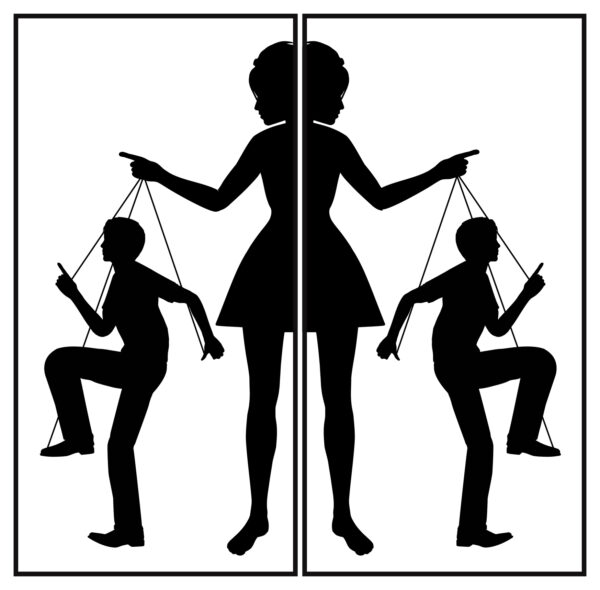
Not all marketing has to be loud. Some of the most effective brand strategies operate quietly, subtly guiding customer choices without aggressive sales tactics. This is the power of passive influence — marketing that works while customers feel they are making entirely independent decisions.
What Passive Influence Looks Like
Passive marketing uses environment, design, and indirect signals to build familiarity and trust. Examples include:
- Branded packaging spotted in real-life settings or social media posts
- Logo placement on everyday items like reusable bags or coffee cups
- Subtle sponsorships of community events, podcasts, or newsletters
Instead of demanding attention, passive marketing blends into the customer’s world, building positive associations over time.
See how Everlane’s Quiet Branding Strategy helped build loyalty.
Why Background Marketing Works
- It feels natural. Customers aren’t pressured, so trust builds organically.
- It creates mental availability. Your brand becomes the first one they think of — without them realizing why.
- It aligns with modern habits. People are bombarded with ads; subtlety is refreshing and more likely to stick.
Passive influence taps into the mere-exposure effect — the more people see your brand casually, the more they like it.
Learn more: The Psychology of Passive Marketing
Easy Ways to Use Passive Influence
- Branded free resources: Guides, checklists, wallpapers
- Product placements: Collaborations with micro-influencers who naturally use your products
- Smart packaging design: Create packaging so good that customers want to reuse or display it
Consistency is key — small impressions over time are more powerful than one big ad blast.
Bottom line: The future of marketing isn’t just louder — it’s smarter. Mastering passive influence lets your brand live rent-free in customers’ minds, without overwhelming them.