
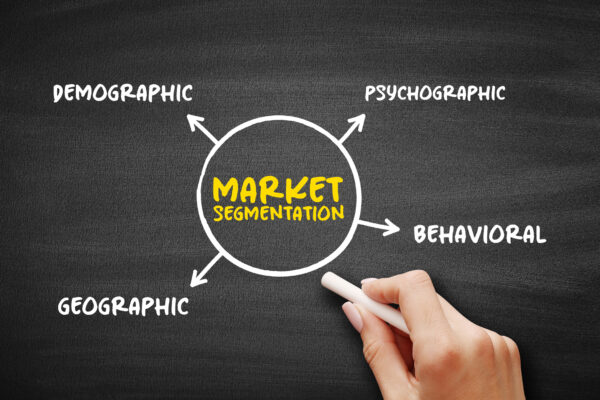
Traditional marketing has long relied on demographics—age, gender, income, and location—to segment audiences. While demographics provide a broad picture, they fail to capture what truly drives purchasing behavior. Psychographic targeting, which focuses on values, interests, and lifestyles, is proving to be far more effective in today’s personalized marketing landscape.
Why Psychographics Matter More Than Demographics
Demographics tell you who your customers are, but psychographics reveal why they buy. Two people of the same age, gender, and income level might have completely different motivations, decision-making styles, and brand preferences. By understanding beliefs, emotions, and habits, businesses can craft messaging that resonates on a deeper level.
Shifting from Broad Segments to Niche Audiences
Instead of targeting “women aged 25-40,” psychographics help brands reach eco-conscious shoppers, adventure seekers, or tech-savvy early adopters. These insights allow for more relevant, engaging, and high-converting marketing strategies.
How to Leverage Psychographic Targeting
1. Understand Core Customer Motivations
Identify what drives your audience. Do they seek status, convenience, sustainability, or personal growth? Use tools like Google Trends to analyze emerging interests and SurveyMonkey to gather direct insights from your audience.
2. Personalize Messaging for Different Mindsets
A fitness brand marketing to two different psychographic groups might approach them like this:
- For high-performance athletes: “Unlock your peak potential with science-backed training gear.”
- For wellness-focused individuals: “Prioritize balance and well-being with our stress-free fitness solutions.”
3. Create Content That Aligns With Values
Consumers engage with brands that reflect their beliefs and aspirations. If your audience values sustainability, emphasize eco-friendly materials and ethical sourcing in your messaging. Tools like BuzzSumo can help identify trending topics within specific psychographic groups.
4. Use Psychographics for Smarter Ad Targeting
Platforms like Meta Business Suite and Google Ads Audience Manager allow businesses to target based on behaviors, interests, and affinities rather than just demographics. By leveraging data on hobbies, online activities, and purchase intent, brands can reach the right audience more efficiently.
The Future of Consumer Targeting
Psychographic marketing fosters deeper brand connections by aligning with personal identity, values, and emotions. As consumer expectations for personalization grow, businesses that rely solely on demographics will struggle to remain relevant. Those who tap into why people buy—not just who they are—will thrive in an era of more meaningful marketing.