
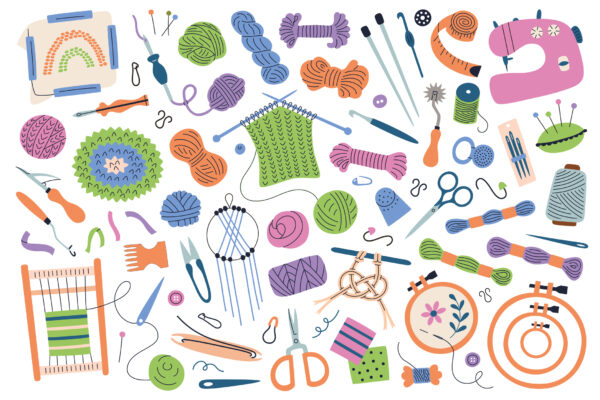
The maker economy is thriving, driven by the rise of independent artists, hobbyists, and small-batch creators. Selling craft tools and supplies is a lucrative opportunity for businesses looking to serve this growing community.
Why the Maker Economy is Booming
- DIY Culture is on the Rise – More people are embracing handmade and self-created goods.
- E-commerce Has Expanded Access – Artists and makers can easily buy supplies online.
- Customization & Personalization Trends – Consumers value unique, handcrafted products.
- Sustainability & Ethical Production – Eco-friendly and locally sourced materials are in demand.
Choosing the Right Niche
To stand out in the competitive craft supply market, businesses should focus on a specific segment:
- Fiber Arts & Sewing – Yarn, fabric, embroidery kits, weaving looms.
- Woodworking & DIY Home Decor – Carving tools, stencils, finishing supplies.
- Painting & Drawing – Specialty brushes, custom pigment sets, high-quality canvases.
- Jewelry & Beadwork – Gemstones, wire, beading kits, metal stamping tools.
- Resin & Polymer Clay – Molds, pigments, silicone tools, UV lamps.
How to Build a Profitable Craft Supply Business
1. Offer High-Quality, Hard-to-Find Materials
Sourcing premium or niche supplies sets you apart from mass-market retailers.
2. Bundle Starter Kits for Beginners
Pre-packaged kits make it easy for customers to start a new craft.
3. Provide Educational Content
Tutorials, online workshops, and downloadable guides encourage repeat purchases.
4. Leverage Social Media & Communities
Engage with maker groups on Instagram, Pinterest, and Facebook to showcase products.
5. Sell Through Multiple Channels
List products on Etsy, Amazon Handmade, Shopify, and craft fairs for maximum visibility.
Useful Resources
- Etsy – Sell niche craft supplies to a global audience.
- Alibaba – Source wholesale materials and tools.
- Shopify – Create an independent online store.
- Skillshare – Offer online tutorials to boost brand awareness.