
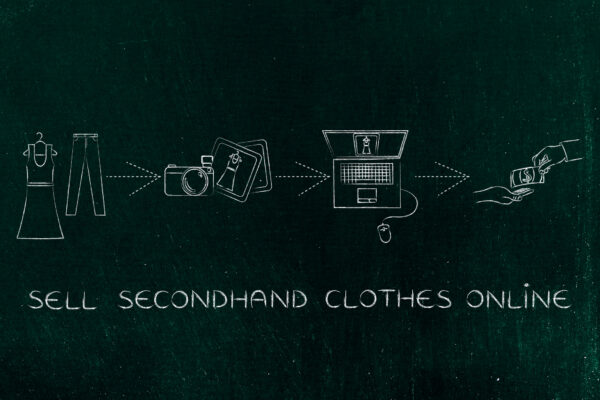
The rise of resale marketplaces has made it easier than ever for entrepreneurs to build profitable businesses while promoting sustainability. By selling secondhand goods, businesses can reduce waste, attract eco-conscious consumers, and tap into the booming circular economy.
Why Secondhand Selling is a Smart Business Move
- Low Startup Costs – No need for large upfront investments in inventory.
- High Demand – Consumers are increasingly opting for pre-owned items over new ones.
- Sustainable & Ethical – Reduces landfill waste and extends product lifecycles.
- Flexible Business Model – Sell locally, online, or through multiple platforms.
Best Secondhand Selling Platforms for Entrepreneurs
1. Poshmark – Ideal for Fashion Resale
- Specializes in clothing, shoes, and accessories.
- Social selling features help increase engagement.
- Great for flipping thrift store finds into profit.
- Website: Poshmark
2. ThredUp – Hassle-Free Consignment
- Handles photography, pricing, and shipping for sellers.
- Focuses on high-quality secondhand clothing.
- Perfect for passive income through resale.
- Website: ThredUp
3. Depop – Trendy & Streetwear Focused
- Popular among younger audiences and vintage lovers.
- Strong emphasis on branding and unique aesthetics.
- Great for upcycled and one-of-a-kind fashion pieces.
- Website: Depop
4. Facebook Marketplace – Best for Local Sales
- No listing fees and direct customer interaction.
- Ideal for furniture, electronics, and everyday items.
- Allows cash transactions and avoids shipping costs.
- Website: Facebook Marketplace
5. eBay – Versatile & Global Reach
- Works for nearly any secondhand product, from fashion to electronics.
- Auction and fixed-price listings provide flexible selling options.
- Strong buyer protection and international shipping options.
- Website: eBay
6. The RealReal – Luxury & Designer Resale
- Focuses on authenticated high-end brands.
- Handles authentication, pricing, and shipping.
- Great for selling designer bags, watches, and fashion.
- Website: The RealReal
How to Succeed in Secondhand Selling
- Find High-Quality Inventory – Source from thrift stores, estate sales, or consignment deals.
- Take Great Photos – Clear, well-lit images increase sales.
- Write Detailed Descriptions – Highlight condition, brand, and unique features.
- Price Competitively – Research similar listings to set the right price.
Conclusion
Sustainable secondhand selling is a profitable, low-risk business model that aligns with growing eco-conscious consumer trends. Choosing the right platform and optimizing your listings can help entrepreneurs turn pre-owned goods into a thriving business.