
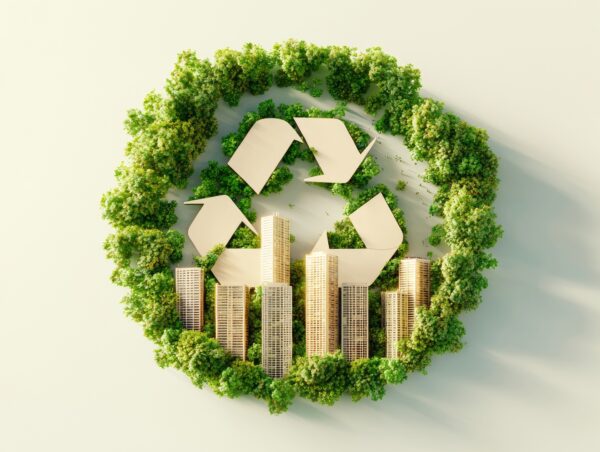
The circular economy is reshaping how businesses operate by prioritizing sustainability, reducing waste, and extending the lifecycle of products. Small businesses that embrace circular practices can cut costs, attract eco-conscious customers, and create new revenue streams.
Why Join the Circular Economy?
- Cost Savings – Reusing materials reduces production expenses.
- Stronger Customer Loyalty – Consumers prefer brands with sustainable values.
- New Revenue Opportunities – Resale, refurbishment, and recycling open additional income streams.
- Regulatory Compliance – Future-proof your business as sustainability regulations tighten.
Ways Small Businesses Can Implement Circular Practices
1. Sell Refurbished or Second-Hand Goods
- Offer pre-owned, repaired, or upgraded products at a discount.
- Platforms like thredUP or Depop help resell fashion and accessories.
2. Launch a Take-Back or Recycling Program
- Collect old products from customers for refurbishment or recycling.
- Incentivize returns with discounts or loyalty points.
3. Use Sustainable Packaging
- Replace single-use plastics with compostable or reusable materials.
- Partner with suppliers offering eco-friendly alternatives.
4. Rent or Lease Instead of Selling
- Offer subscription-based access to products instead of one-time purchases.
- This model works well for clothing, electronics, and tools.
5. Source from Ethical & Recycled Materials
- Find suppliers committed to sustainable production.
- Use materials that can be repurposed at the end of their lifecycle.
Examples of Small Businesses Thriving in the Circular Economy
- Patagonia’s Worn Wear – Resells used Patagonia clothing.
- Loop – A reusable packaging system that partners with brands.
- Evrnu – Turns discarded textiles into new clothing fibers.
Conclusion
Tapping into the circular economy isn’t just about sustainability—it’s a smart business move. Small businesses that reduce waste, reuse materials, and create circular business models gain a competitive edge while appealing to environmentally conscious consumers.