
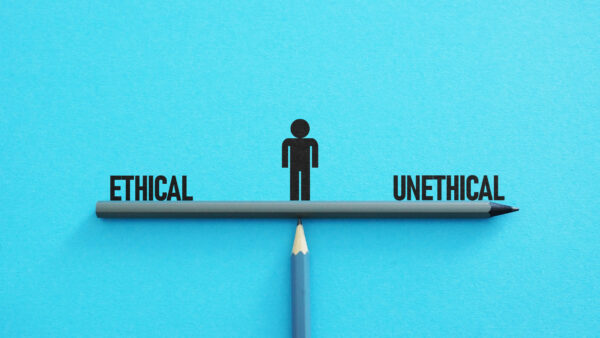
Running a business comes with tough decisions, and not all of them have clear-cut answers. Ethical dilemmas—where profit, reputation, and integrity collide—can challenge even the most experienced entrepreneurs. How you handle these situations defines your business culture, customer trust, and long-term success.
Common Ethical Dilemmas in Business
- Honesty vs. Profitability – Should you disclose product flaws if it might hurt sales?
- Fair Pricing – Is it ethical to raise prices significantly during high demand?
- Employee Treatment – Do you prioritize profits over fair wages and working conditions?
- Customer Privacy – How much customer data should you collect and use?
- Sustainability vs. Cost Efficiency – Should you choose cheaper, less eco-friendly materials to cut costs?
Strategies for Navigating Ethical Dilemmas
1. Define Your Core Values
Establish clear business values that guide decision-making. When faced with tough choices, refer to these principles to ensure consistency and integrity.
2. Assess the Long-Term Impact
Short-term gains from unethical decisions often lead to long-term losses. Consider how each choice affects your reputation, customer trust, and company culture.
3. Be Transparent and Communicative
Hiding ethical missteps often worsens the situation. If a tough decision needs to be made, communicate openly with stakeholders, employees, and customers.
4. Consult Trusted Advisors
Seek input from mentors, legal experts, or industry peers when facing complex ethical issues. A fresh perspective can help you find a balanced solution.
5. Prioritize People Over Profits
Businesses that prioritize ethical treatment of employees, customers, and communities build stronger, more sustainable brands.
6. Implement Ethical Guidelines and Training
Set clear policies for handling conflicts of interest, data privacy, and fair business practices. Regular ethics training ensures employees align with company values.
7. Learn from Mistakes and Adapt
No business is perfect. If you make an ethical misstep, acknowledge it, take corrective action, and implement measures to prevent future issues.
Companies That Lead with Ethics
- Patagonia: Prioritizes sustainability and social responsibility over profits.
- Salesforce: Promotes fair wages and workplace diversity while maintaining transparency.
- Ben & Jerry’s: Actively supports social causes without compromising product quality.
Measuring Ethical Success
- Employee Satisfaction Surveys: Ethical workplaces have higher employee retention and engagement.
- Customer Trust Scores: Monitor reviews and feedback for insights into brand perception.
- Corporate Social Responsibility (CSR) Initiatives: Track involvement and impact in ethical initiatives.
Conclusion
Ethical dilemmas are inevitable, but how you handle them shapes your business’s legacy. By staying true to your values, communicating openly, and prioritizing long-term integrity over short-term gains, you can build a business that thrives on trust and respect.
Resources for Ethical Decision-Making
- Ethical Trading Initiative – Guidelines for fair business practices.
- Better Business Bureau – Standards for ethical operations and consumer trust.