
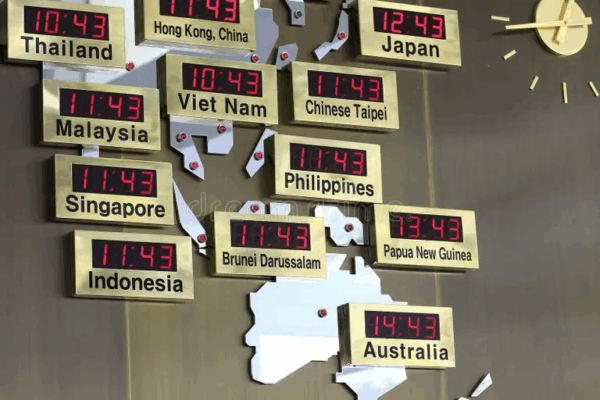
For centuries, geography dictated commerce. Goods traveled along slow trade routes, and time differences were obstacles to be endured. But in the digital economy, time itself has become an asset—something to be engineered, optimized, and even monetized. Time-zone arbitrage is the practice of designing businesses so that geography and clock cycles aren’t barriers but accelerants. For small businesses, particularly those serving clients across borders, this shift opens up a new dimension of competitive advantage.
What Is Time-Zone Arbitrage?
At its core, time-zone arbitrage is about aligning operations with global clocks to maximize productivity, responsiveness, and value creation. Instead of viewing a nine-hour gap between San Antonio and Europe as a delay, savvy businesses see it as an opportunity: while one team rests, another continues the work. The business, in effect, never sleeps.
This isn’t limited to outsourcing. It includes designing schedules, marketing campaigns, and customer touchpoints to benefit from temporal positioning. A newsletter sent at 7 a.m. Eastern Time may reach readers during their morning coffee in New York and their lunch break in London—without any extra effort.
Why It Matters for Small Businesses
- 24/7 Operations Without 24/7 Staffing
By strategically partnering with people in different time zones, small businesses can offer nearly continuous service without burning out local teams. - Customer Experience as a Differentiator
Imagine responding to a European customer’s inquiry while they’re still online, instead of 12 hours later. That responsiveness can be a decisive factor in winning loyalty. - Cost and Efficiency Gains
Hiring in time zones with lower labor costs can stretch budgets further while also accelerating turnaround times. - Market Expansion Without Physical Expansion
Testing new audiences in other geographies becomes easier when you can tailor communication to their daily rhythms.
Practical Applications
- Distributed Teams: Hire freelance designers in Manila, developers in Eastern Europe, and customer support in Mexico City, orchestrating workflows so work “follows the sun.”
- Scheduling Software Mastery: Tools like Calendly and World Time Buddy eliminate confusion and allow seamless coordination across time zones.
- Asynchronous Communication: Use platforms like Notion or Slack’s scheduled send features to maintain clarity without requiring simultaneous presence.
- Event Timing as Strategy: A virtual event scheduled at 2 p.m. CST may exclude some regions while being ideal for others—choosing the right slot is itself a business decision.
Risks and Trade-offs
Time-zone arbitrage is not without friction. Miscommunications, delays in feedback, or cultural differences can derail workflows. Businesses need explicit processes, overlapping work hours for critical conversations, and clear ownership structures.
There’s also the human cost—working odd hours to sync with another geography can erode morale if not balanced with flexibility and autonomy.
Rethinking Time as Infrastructure
Instead of seeing time zones as fixed boundaries, businesses that thrive treat them as infrastructure—like bandwidth or electricity. Properly harnessed, they create resilience, speed, and global reach that would otherwise require huge capital investments.
For small businesses in places like San Antonio, this mindset means that local doesn’t have to mean limited. With thoughtful strategy, time itself becomes your ally—an invisible workforce that stretches the day, bridges distances, and keeps your company moving when you aren’t.