
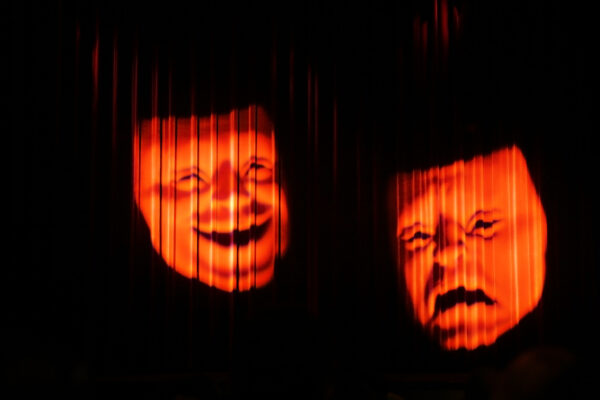
Most small business owners don’t think of themselves as performers — but they should. Whether you’re running a coffee shop, a boutique, or a digital consulting brand, every interaction you have with a customer is a scene. And just like in the theater, how you present matters as much as what you offer.
This is where stagecraft comes in — the art of creating presence, energy, and meaning through design, timing, and delivery. You don’t need a spotlight or a script. You just need to start treating your brand like it belongs on a stage people want to return to.
What Is Stagecraft in Business?
Stagecraft in business is the intentional use of visuals, rhythm, space, language, and interaction to elevate the customer experience. It turns your storefront, website, or service into a show that customers remember — not because it’s fake, but because it’s thoughtfully staged.
It’s not about drama. It’s about precision.
7 Stagecraft Techniques You Can Apply Today
🎨 1. Design the Set (Your Space or Interface)
In theater, the set tells the story before a word is spoken. The same goes for your business.
- Retail or Café: Use light, scent, sound, and layout to set a mood.
- Online Brand: Curate colors, spacing, font hierarchy, and movement that reflect your personality.
Tool: Canva – Create consistent brand assets and signage.
🎤 2. Master the Opening Line
First impressions are scenes. Don’t wing them.
- What does your home page say at first glance?
- How do you or your team greet a walk-in or a first-time caller?
Craft an intentional first line and rehearse it.
“Welcome in. We’ve got something special for you.”
“Here’s what most people love about our service.”
Tool: Trainual – Build branded scripts for team onboarding and greetings.
⏱ 3. Control the Pace and Flow
Stage directors are obsessed with pacing — and you should be too.
- Website too slow? People exit the stage early.
- In-store flow too chaotic? Customers feel rushed or overwhelmed.
- Email too long? Readers leave before the “climax.”
Design your customer journey with intentional beats, pauses, and builds.
Tool: Hotjar – See how customers interact with your online scenes.
🎁 4. Build a “Reveal” Moment
Theater thrives on tension and release. Your business should too.
Examples:
- Unboxing that feels like a gift
- The moment a new service goes live
- The moment after payment when you say “Let me show you something surprising…”
Think of a moment of delight as your second-act twist.
Tool: Loom – Send personalized “reveal” videos to onboard or thank customers.
💬 5. Write Like a Playwright
Your copy — on labels, emails, and packaging — is dialogue with your audience. Make it sound like you, and make it memorable.
Avoid:
“Your order has been confirmed.”
Try:
“We just packed your order with care. It’s on its way — and it’s excited to meet you.”
Tool: Grammarly – Keep your tone sharp, warm, and brand-aligned.
👀 6. Use Props with Purpose
Props in theater tell you who a character is. In business, they’re the small objects customers interact with.
- Reusable bags that feel collectible
- Thank-you cards with texture or scent
- Menus printed on scrolls, maps, or even mirrors
Don’t add more “stuff” — just make the existing objects intentional.
🔁 7. Plan Your Curtain Call
How do you end the interaction? Not just “bye” — but a final moment that leaves a mark.
- An unexpected gift
- A reminder of what they unlocked
- A callback to something they said
The best brands always leave with energy, not silence.
Tool: MailerLite – Build automated follow-ups that feel like part of the finale.
Why Stagecraft Builds Loyalty
Because humans don’t remember everything — they remember moments.
Stagecraft lets you:
- Design memorable moments
- Deliver them with rhythm
- Repeat them consistently, even as you grow
It doesn’t matter if you have one employee or a remote team across five countries. These techniques scale — not because they’re complicated, but because they’re clear.
Tools to Bring Stagecraft into Your Business
- Canva – Design your brand’s visual world
- Trainual – Teach your team how to “perform” your brand
- Hotjar – Observe your site’s pacing and flow
- Loom – Add human performance to digital experiences
- MailerLite – Automate the closing scenes of your customer journey
- Grammarly – Edit your copy for voice and polish
Final Word: Presence Is Performance
You don’t need costumes or curtains. You need presence. You need rhythm. You need a sense of intended experience.
When you design your business with stagecraft — even in micro-moments — your brand stops being a commodity.
It becomes a performance.
And your customers?
They’ll be back for the next show.