
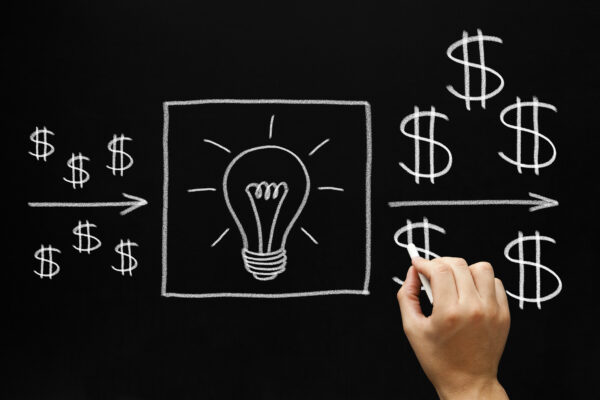
In a world where resources are getting tighter and consumers are getting smarter, waste is no longer just an environmental issue — it’s a business opportunity. Savvy entrepreneurs are learning how to transform leftovers, scraps, and byproducts into new revenue streams, turning what once was discarded into gold.
Seeing Waste as an Asset
One person’s trash truly is another’s treasure. Whether it’s food scraps, fabric remnants, wood offcuts, or even customer data that was overlooked, leftovers can often be repurposed, resold, or reimagined into something valuable. The key is training yourself and your team to see potential where others see waste.
For inspiration, explore Upcycled Food Association’s resources on how businesses are turning food waste into profitable new products.
Practical Ways to Build Profitable Loops
Here are a few strategies small businesses are using to tap into this hidden value:
- Food businesses are creating broths, sauces, or snacks from leftover ingredients.
- Fashion brands are designing limited-edition collections from scrap fabric.
- Furniture makers are turning wood scraps into cutting boards, small décor, or craft kits.
- Digital companies are creating “data second lives,” using leftover survey data or content fragments for new products.
A great example is how Looptworks turns excess materials into bags, accessories, and apparel, showing how smart design can create value from leftovers.
Marketing the Loop
Customers love a good sustainability story — especially when it feels authentic. Marketing your upcycled products can set you apart in crowded markets. Use storytelling to explain how your leftover-driven product was created and how it supports a larger mission of sustainability and creativity.
You can find more on how to weave sustainability into your marketing at Sustainable Brands.
Closing the Loop — and Opening New Doors
Turning leftovers into income streams isn’t just about maximizing materials; it’s about maximizing creativity, customer loyalty, and brand reputation. When done well, it also leads to more resilient businesses — businesses that are built not just to sell, but to sustain and innovate.
Leftovers aren’t the end of the line. They’re just the beginning of a new, profitable cycle.