
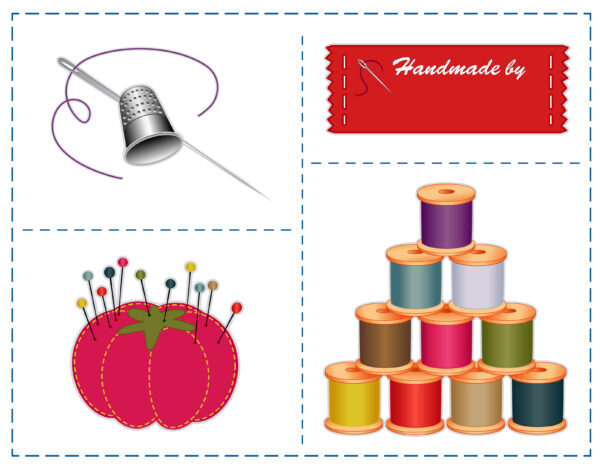
DIY kits have surged in popularity as more consumers look for hands-on, creative experiences they can enjoy at home. From candle-making to electronics, these kits don’t just sell a product — they deliver a full experience. For small businesses, this presents a powerful opportunity to build brand loyalty, increase engagement, and tap into niche markets.
Why DIY Kits Resonate With Modern Consumers
- Personalization: People love making things their own. DIY kits offer a custom experience that mass-manufactured goods can’t.
- Educational Value: Many kits teach new skills or spark curiosity, making them appealing for families, schools, or lifelong learners.
- Social Sharing: The “I made this!” factor makes these products highly shareable on social media, which helps boost organic marketing.
- Sustainability: Kits that reduce packaging or promote reuse appeal to eco-conscious buyers.
Popular DIY Kit Niches to Explore
- Home & Living: Soap-making, candle kits, herb gardens.
- Craft & Art: Embroidery, resin art, painting sets.
- Food & Drink: Baking kits, cocktail infusions, spice blends.
- STEM & Learning: Electronics kits, coding for kids, robotics.
- Wellness & Self-Care: Aromatherapy, bath bombs, mindfulness journals.
What It Takes to Build a Successful DIY Kit Business
- Clear Instructions: Even complex kits must be beginner-friendly. Use visual guides or online videos to support the process.
- Thoughtful Packaging: A well-designed unboxing experience is critical — make it organized, beautiful, and waste-conscious.
- Sourcing Quality Materials: Customers should feel like they’re getting professional-grade supplies, not just scraps.
- Scalable Production: Start small, but ensure your production model can scale with demand.
- Engaged Community: Create a space (like a hashtag or private group) for customers to share their results and ideas.
Smart Sales Channels for DIY Kits
- Etsy or Shopify Stores: Ideal for handmade and niche kits.
- Subscription Boxes: Build recurring revenue through monthly themed kits.
- Workshops and Pop-Ups: Let customers test kits in-person before buying.
- Local Collaborations: Partner with schools, libraries, or event planners.
Real-Time Support and Engagement
Offer value beyond the box:
- Host livestream tutorials.
- Send follow-up emails with project ideas.
- Include QR codes linking to demo videos or inspiration boards.
Useful Tools and Resources
- SendOwl – Sell digital add-ons like instructions, templates, or video access.
- Craft – Great for sourcing artisan-quality supplies.
- Packhelp – Create custom, eco-friendly packaging that makes your kit stand out.
Conclusion
DIY kits are more than a product — they’re an experience, a lesson, and a community-builder all in one. By focusing on quality, creativity, and support, you can turn these simple boxes into sustainable revenue streams and deeply loyal customers.