
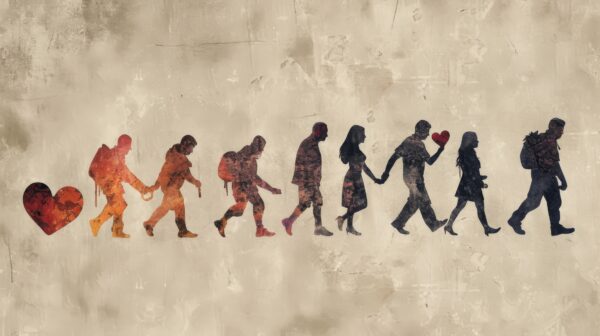
Customers don’t just buy products—they go through an emotional journey before, during, and after a purchase. Understanding this emotional lifecycle allows businesses to craft marketing strategies that resonate deeply, build lasting relationships, and drive loyalty.
1. Awareness: Curiosity & Interest
At this stage, customers recognize a need or desire. Their emotions range from curiosity to excitement as they explore solutions. Businesses can tap into these emotions by:
- Creating engaging educational content (blogs, videos, and infographics).
- Using storytelling in ads to spark interest and connection.
- Leveraging social proof, such as customer testimonials, to build trust.
Resource: HubSpot’s Guide to Customer Journey Mapping
2. Consideration: Trust & Hesitation
As customers evaluate options, they may feel a mix of excitement and doubt. Key strategies to guide them toward a decision include:
- Offering comparisons, case studies, or expert endorsements.
- Providing clear, transparent pricing and risk-free trials.
- Addressing common objections through FAQs and responsive customer support.
Resource: Trustpilot for social proof and reviews.
3. Purchase: Satisfaction & Relief
Once a decision is made, customers experience relief and anticipation. Businesses can enhance these emotions by:
- Simplifying the checkout process to reduce friction.
- Sending order confirmation messages with personalized thank-you notes.
- Offering post-purchase support to reassure them of their choice.
4. Post-Purchase: Engagement & Potential Regret
After buying, customers may feel excitement, satisfaction, or even second thoughts. To strengthen their connection, brands should:
- Provide helpful onboarding or usage tips.
- Check in with follow-up emails or surveys.
- Encourage social sharing and community engagement.
Resource: Zendesk for customer support solutions.
5. Loyalty & Advocacy: Trust & Emotional Attachment
Satisfied customers become repeat buyers and brand advocates. Businesses can nurture loyalty by:
- Offering exclusive rewards, discounts, or referral programs.
- Engaging customers through personalized communication.
- Encouraging user-generated content and testimonials.
Resource: LoyaltyLion for loyalty program management.
By mapping out the emotional journey of customers, businesses can tailor their messaging and experiences to create deeper, lasting relationships—turning first-time buyers into lifelong supporters.