
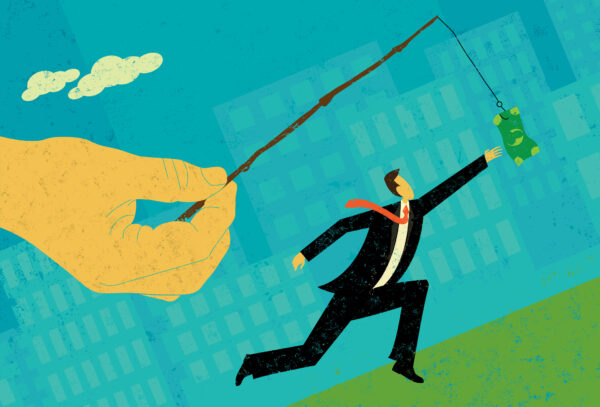
The brain’s reward system plays a crucial role in decision-making, motivation, and brand loyalty. By tapping into dopamine-driven responses, businesses can create incentives that encourage repeat engagement and higher conversions.
How the Brain Responds to Rewards
1. The Dopamine Effect
Dopamine is released when the brain anticipates a reward, reinforcing behaviors that lead to positive outcomes.
- How to apply it: Offer rewards that create anticipation, such as surprise discounts, tiered loyalty programs, or gamification elements.
2. Variable Rewards Keep Customers Engaged
Unexpected or changing rewards stimulate dopamine production more than predictable ones.
- Example: Starbucks’ “Star Rewards” program includes surprise bonuses, increasing excitement and participation.
3. Instant Gratification Strengthens Habits
Immediate rewards encourage customers to take action more frequently.
- Example: Apps like Duolingo use streak rewards and instant feedback to keep users engaged.
Effective Incentive Strategies
1. Loyalty Programs That Create Habits
Rewarding repeat purchases strengthens the habit loop.
- Example: Sephora’s Beauty Insider program encourages customers to accumulate points for future discounts.
2. Gamification to Increase Engagement
Turning tasks into challenges or competitions makes participation more compelling.
- Example: Nike Run Club’s leaderboards encourage consistent app use.
3. Scarcity and Time-Sensitive Rewards
Limited-time deals trigger urgency and make incentives feel more valuable.
- Example: Flash sales or exclusive early-access events.
4. Personalized Incentives
Tailored rewards feel more meaningful and drive stronger responses.
- Example: Spotify’s personalized playlists or Amazon’s product recommendations.
Conclusion
By aligning incentives with the brain’s natural reward system, businesses can increase customer engagement, strengthen brand loyalty, and boost sales. Offering unpredictable rewards, instant gratification, and gamified experiences makes interactions more compelling and memorable.
Useful Links:
- BJ Fogg’s Behavior Model – Insights on motivation and habit formation.
- Neuromarketing Science & Business Association – Research on how neuroscience impacts consumer behavior.