
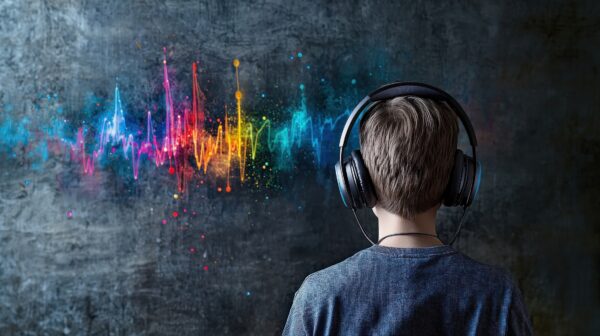
Sound plays a crucial role in shaping customer experiences, influencing emotions, and even driving purchasing behavior. Thoughtfully designed soundscapes in retail spaces can enhance ambiance, reinforce brand identity, and encourage shoppers to stay longer.
How Sound Affects Shopping Behavior
- Sets the Mood – Upbeat music energizes, while soft melodies create a relaxed atmosphere.
- Influences Dwell Time – Pleasant sound environments encourage longer stays and increased spending.
- Enhances Brand Identity – A unique sound signature can make a store more memorable.
- Reduces Stress – Calming background noise improves customer comfort and reduces distractions.
Elements of an Effective Retail Soundscape
- Background Music – Aligns with brand personality and target audience (e.g., classical for luxury, pop for fast fashion).
- Ambient Sounds – Nature sounds, soft chimes, or subtle white noise can create a soothing experience.
- Branded Audio Cues – Custom jingles, welcome tones, or interactive sound elements strengthen brand recall.
- Volume & Tempo Control – Adjusting music speed and loudness based on time of day can optimize shopper engagement.
Best Practices for Implementing Soundscapes
- Match Music to Store Atmosphere – A fast-paced store benefits from energetic beats, while a high-end boutique thrives on elegant compositions.
- Use Adaptive Playlists – Rotate selections to maintain a fresh experience and avoid repetition.
- Consider Acoustics – Balance sound levels to prevent echo or overwhelming noise.
- Test Customer Reactions – Monitor shopping behavior and feedback to refine the soundscape strategy.
Conclusion
Retail soundscapes are more than background noise—they are a strategic tool for shaping customer perception and engagement. By curating the right auditory experience, businesses can create immersive environments that drive brand loyalty and sales.
Useful Links
- Soundtrack Your Brand – Curated music solutions for businesses.
- Mood Media – Custom sound design for retail environments.