
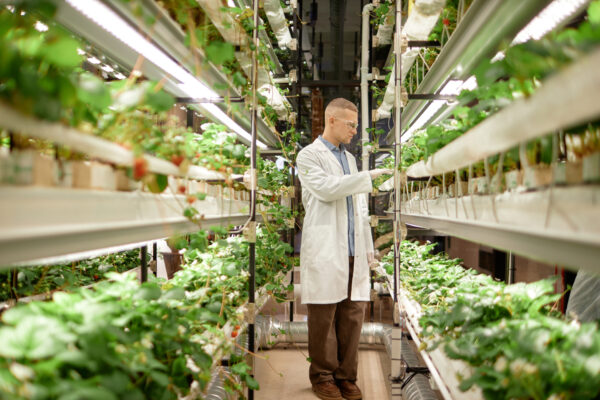
Hydroponic farming is an innovative and space-efficient way to grow fresh produce without soil. With increasing demand for locally grown greens and year-round production capabilities, small hydroponic farms offer a profitable and sustainable business opportunity.
Why Choose Hydroponics?
- Higher Yields – Faster growth rates and greater productivity than traditional farming.
- Year-Round Production – Controlled environments allow for continuous harvests.
- Efficient Water Use – Uses up to 90% less water than soil farming.
- Minimal Space Requirements – Ideal for urban settings, vertical farming, or small-scale operations.
Key Steps to Starting a Hydroponic Farm
- Select a Farming Method
- NFT (Nutrient Film Technique) – Best for leafy greens and herbs.
- Deep Water Culture (DWC) – Suitable for lettuce and strawberries.
- Drip System – Effective for tomatoes, peppers, and larger plants.
- Choose a Location
- Indoor setups (warehouses, greenhouses, or containers) allow for climate control.
- Outdoor hydroponic farms work well in mild climates with proper shading.
- Set Up Essential Equipment
- Hydroponic growing system (trays, reservoirs, pumps)
- LED grow lights (for indoor farms)
- pH and nutrient monitoring tools
- Climate control (fans, heaters, humidifiers)
- Select Profitable Crops
- Best Choices: Lettuce, basil, microgreens, kale, spinach, strawberries.
- High-Value Options: Specialty herbs, exotic greens, or hydroponic tomatoes.
- Market and Sell Your Produce
- Direct-to-consumer: Farmers’ markets, CSA subscriptions, online sales.
- B2B: Restaurants, grocery stores, and health-conscious retailers.
- Local partnerships: Collaborate with chefs or sustainable food businesses.
Costs and Profitability
- Initial Investment: $5,000–$50,000, depending on scale and automation.
- Profit Margins: Hydroponic greens can yield up to 40% higher profits than soil-grown produce.
- Break-Even Period: Typically 1–3 years with steady sales and proper management.
Conclusion
A small hydroponic farm offers a scalable and sustainable way to enter the agricultural market with lower water use, faster growth cycles, and strong demand for fresh produce. With the right setup and marketing approach, hydroponic farming can be a profitable venture.
Useful Links
- Bright Agrotech – Resources for vertical and hydroponic farming.
- ZipGrow – Hydroponic systems and educational materials.