
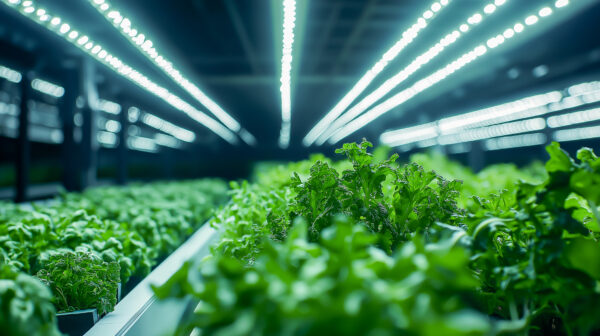
Vertical farming is revolutionizing agriculture by maximizing production in minimal space. Using stacked layers and controlled environments, this method allows businesses to grow fresh produce year-round, reduce water use, and eliminate the need for pesticides. With increasing demand for sustainable food solutions, vertical farming presents a profitable opportunity for entrepreneurs.
Why Vertical Farming is a Smart Investment
- Higher Yields – Grows 10–20 times more per square foot than traditional farms.
- Year-Round Production – Climate control eliminates seasonal limitations.
- Water & Space Efficiency – Uses up to 95% less water and requires less land.
- Reduced Supply Chain Costs – Farms located near cities lower transportation expenses and food waste.
Key Factors for Profitability
- Choosing the Right Crops
- High-margin options: Microgreens, leafy greens, herbs.
- Specialty produce: Exotic vegetables, edible flowers, or medicinal plants.
- B2B demand: Restaurants and food manufacturers pay premium prices for fresh, local ingredients.
- Selecting a Farming System
- Hydroponics – Grows plants in nutrient-rich water, ideal for leafy greens.
- Aeroponics – Uses misted nutrient solutions, maximizing oxygen absorption.
- Aquaponics – Combines fish farming with hydroponics for a self-sustaining system.
- Optimizing Costs & Efficiency
- Invest in energy-efficient LED grow lights.
- Use automation for watering, lighting, and nutrient delivery.
- Consider renewable energy sources like solar panels to offset electricity costs.
- Finding Profitable Sales Channels
- Direct-to-consumer: Farmers’ markets, CSA subscriptions, online sales.
- Wholesale: Supplying grocery stores and local restaurants.
- Specialty partnerships: Hotels, high-end restaurants, and health-focused retailers.
Challenges & Solutions
- High Initial Investment – Costs range from $10,000 (small-scale) to millions (large operations).
Solution: Start small and scale gradually with reinvested profits. - Energy Costs – Lighting and climate control can be expensive.
Solution: Use energy-efficient LEDs and explore renewable energy options. - Market Competition – Differentiation is key in a growing industry.
Solution: Offer unique produce, organic certifications, or local delivery services.
Conclusion
Vertical farming offers a sustainable and profitable path for modern agriculture, especially in urban settings. By focusing on high-margin crops, optimizing operational efficiency, and targeting the right sales channels, businesses can turn vertical farming into a lucrative venture.
Useful Links
- Bright Agrotech – Vertical farming systems and resources.
- Aerofarms – Innovative commercial vertical farming technology.