
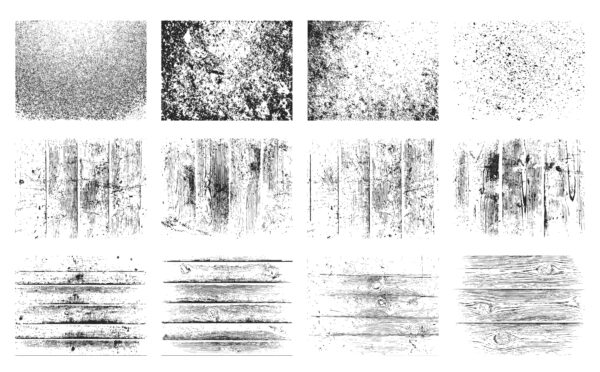
vTexture plays a crucial role in how consumers perceive quality, luxury, and functionality. Whether it’s the smoothness of a premium smartphone, the softness of high-end fabric, or the rough grain of artisanal packaging, tactile experiences shape buying decisions and brand perception.
The Psychology of Texture
- Signals Quality & Luxury – Soft, velvety, or finely polished textures suggest premium craftsmanship.
- Influences Emotional Response – Smooth surfaces feel modern and sleek, while rough textures evoke authenticity.
- Affects Purchase Decisions – Products that feel good in hand are more likely to be perceived as valuable and desirable.
- Enhances Brand Identity – Unique textures help differentiate products and reinforce brand storytelling.
How Businesses Can Leverage Texture
- Product Design – Select materials that enhance the perceived quality and function of the item.
- Packaging & Branding – Use embossed finishes, matte coatings, or natural fibers to create a memorable unboxing experience.
- Retail Displays – Offer tactile samples to encourage customer interaction and sensory engagement.
- Interior Design – Incorporate textural contrasts in store environments to create a premium feel.
Industries That Benefit from Textural Branding
- Luxury Goods – High-end fashion, watches, and electronics use soft, polished, or precision-textured surfaces.
- Beauty & Skincare – Matte vs. glossy packaging influences consumer perception of product effectiveness.
- Home & Furniture – Textured fabrics and finishes add to the perceived comfort and durability.
- Food & Beverage – Packaging textures can signal artisanal craftsmanship or premium ingredients.
Conclusion
Texture is a subtle yet powerful factor in product perception. By carefully selecting materials and finishes, businesses can elevate their brand, enhance customer experience, and drive purchasing decisions.
Useful Links
- Material ConneXion – A resource for innovative materials and textures.
- Packaging of the World – Showcasing creative and high-impact packaging designs.