
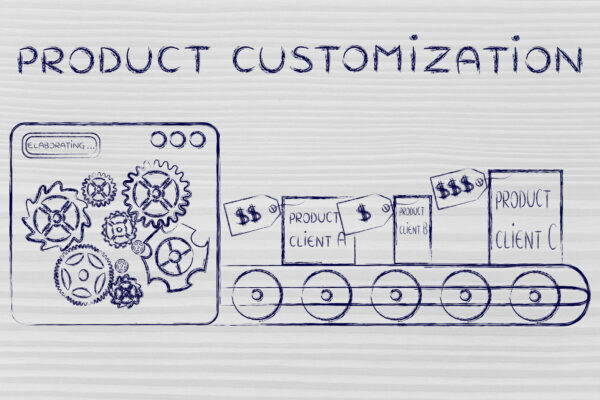
Consumers no longer want one-size-fits-all solutions—they expect products and services tailored to their unique preferences. From personalized skincare and bespoke fashion to AI-driven recommendations, customization has become a key driver of customer loyalty and differentiation in competitive markets.
Why Customization is on the Rise
- Desire for Individual Expression – People want products that reflect their personality and lifestyle.
- Advancements in Technology – AI, 3D printing, and data analytics make mass customization easier and more accessible.
- Higher Perceived Value – Customers are willing to pay more for tailored experiences that feel exclusive.
- Consumer Control – Customization shifts power to the buyer, enhancing engagement and satisfaction.
How Businesses Can Leverage Customization
1. Offer Personalized Product Options
- Allow customers to choose colors, materials, or features (e.g., Nike By You custom shoes).
- Provide made-to-order services for unique sizing or styling.
2. Leverage AI for Smarter Recommendations
- Use machine learning to suggest products based on past behavior (e.g., Spotify’s Discover Weekly).
- Implement dynamic pricing or promotions based on user preferences.
3. Create Interactive Shopping Experiences
- Virtual try-ons, quizzes, and AR tools help customers make personalized choices.
- Custom subscription boxes adapt over time based on feedback and usage.
4. Enhance Customer Engagement Through Co-Creation
- Let users design their own products or vote on future releases (e.g., LEGO Ideas).
- Offer limited-edition, customizable collaborations with influencers or artists.
Brands Thriving with Customization
- Coca-Cola: “Share a Coke” campaign featuring personalized names on bottles.
- Stitch Fix: AI-driven personal styling based on individual preferences.
- Tesla: Customizable vehicle features, from software settings to performance modes.
Measuring the Impact of Customization
- Conversion Rates: Track how personalized options influence purchases.
- Customer Retention: Personalized experiences lead to stronger brand loyalty.
- Engagement Levels: Monitor user interactions with customization tools.
Conclusion
Customization is no longer a luxury—it’s an expectation. Brands that integrate personalization into their offerings will attract more engaged, satisfied, and loyal customers.
Resources for Implementing Customization
- Shopify Customization Guide – Tools for adding personalization to e-commerce.
- McKinsey on Personalization – Research on how customization impacts consumer behavior.